Discover which foods are sabotaging your meds...
Scientific Name: Citrus × paradisi
Common Forms: Whole fruit, Juice
Nutritional: Vitamin C, Flavonoids, Fiber
Effect: Inhibits CYP3A4 enzyme → raises drug levels
Interaction: ⚠️ Increases drug levels
Layman Explanation: Grapefruit juice can make some statins too strong in your body, raising risk of side effects like muscle pain or liver issues.
Scientific Explanation: Grapefruit inhibits CYP3A4 enzyme in the small intestine, decreasing metabolism of certain statins → higher blood levels → increased risk of rhabdomyolysis and hepatotoxicity.
Interaction: ⚠️ Increases drug levels
Layman Explanation: Can make blood pressure drop too low if taken with grapefruit juice.
Scientific Explanation: CYP3A4 inhibition by grapefruit leads to increased bioavailability of these antihypertensives, enhancing hypotensive effects.
Interaction: ⚠️ Potentiates sedative effect
Layman Explanation: Makes sedatives stronger, which could cause excessive drowsiness or slowed breathing.
Scientific Explanation: Grapefruit inhibits metabolism via CYP3A4, resulting in increased plasma concentration and central nervous system depression.
Interaction: ⚠️ Increases risk of toxicity
Layman Explanation: Can increase heart rhythm drug levels, raising risk of side effects like heart rhythm disturbances.
Scientific Explanation: CYP3A4 inhibition reduces hepatic and intestinal metabolism of amiodarone → increased systemic exposure → potential for proarrhythmic effects.
Interaction: ⚠️ Increases drug levels
Layman Explanation: Grapefruit can dangerously raise levels of drugs used to prevent organ rejection.
Scientific Explanation: Strong CYP3A4 inhibition by grapefruit leads to significantly increased blood concentrations of immunosuppressants → risk of nephrotoxicity, neurotoxicity, and graft complications.
Grapefruit contains furanocoumarins that irreversibly inhibit intestinal CYP3A4, an enzyme responsible for breaking down many drugs.
This increases systemic drug exposure, leading to higher plasma levels and increased risk of adverse effects.
Even a single glass of juice can have measurable effects lasting up to 3 days.
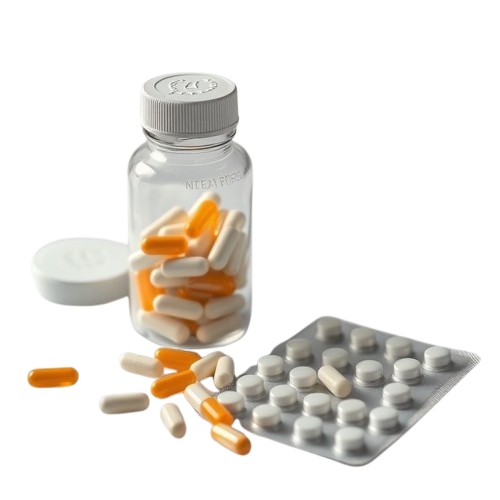
Scientific Name: Warfarin
Common Brand Names: Coumadin, Jantoven
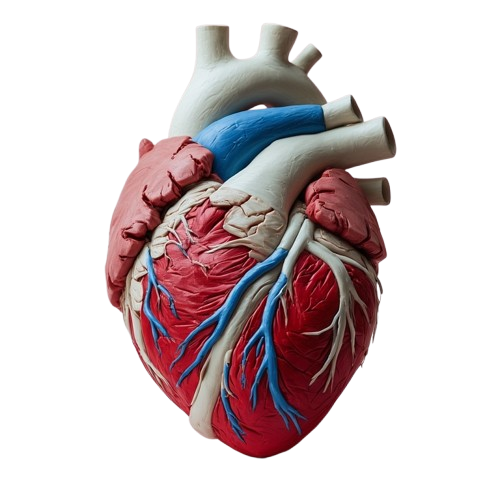
System Category: Cardiovascular System
Drug Class: Anticoagulant (blood thinner)
Common Uses: Prevent or treat blood clots (DVT, PE), AFib, stroke prevention
Interaction: ⚠️ Reduces Warfarin’s effect
Layman Explanation: These veggies are healthy, but high in vitamin K, which makes warfarin less effective. Don’t avoid them — just eat them in consistent amounts.
Scientific Explanation: Warfarin inhibits vitamin K–dependent clotting factors. High vitamin K intake can bypass this effect, decreasing anticoagulation and increasing clot risk. INR levels may fluctuate with inconsistent intake.
Interaction: 🟡 Possible interaction
Layman Explanation: Avocados have moderate vitamin K. Cranberry juice may increase bleeding risk, though studies are mixed.
Scientific Explanation: Cranberry may inhibit CYP450 enzymes, raising warfarin levels. Avocados contribute moderate vitamin K intake, which could reduce anticoagulant effect if consumed in large or variable amounts.
Interaction: ⚠️ Alters effect unpredictably
Layman Explanation: These drinks can make warfarin act stronger or weaker depending on quantity. Be cautious with intake.
Scientific Explanation: Alcohol impairs liver metabolism of warfarin, potentially increasing INR and bleeding risk. Green tea contains vitamin K and may interfere with warfarin's mechanism.
Interaction: ⚠️ Varies
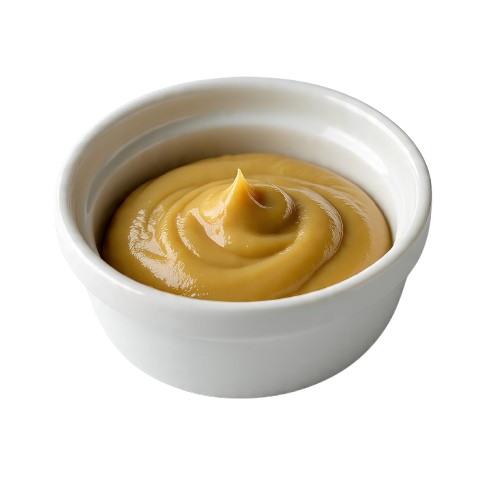
Layman Explanation: Some sauces may have hidden ingredients like herbs or fermented components that interact with warfarin.
Scientific Explanation: Herbal compounds may modulate CYP enzymes; fermented condiments may contain vitamin K or interfere with metabolism pathways, altering INR unpredictably.
Interaction: 🟡 Mild caution
Layman Explanation: Dark chocolate may mildly affect warfarin if consumed in large amounts, but small amounts are typically fine.
Scientific Explanation: Flavonoids in chocolate may influence platelet activity or liver enzymes. Vitamin K content is low but not negligible. Monitor if intake changes.
Interaction: ⚠️ High vitamin K
Layman Explanation: Liver is very high in vitamin K and can interfere with warfarin. Best to avoid.
Scientific Explanation: Animal liver contains dense concentrations of vitamin K, especially if the animal consumed leafy feed. This can significantly reduce warfarin efficacy and alter INR control.
Warfarin works by inhibiting vitamin K–dependent clotting factors, which are essential for normal blood clotting.
Vitamin K intake from diet (especially from leafy greens or liver) can reduce warfarin’s effect, while inconsistent intake can cause INR fluctuations.
Other compounds (e.g., alcohol, cranberry juice, herbal products) can alter liver enzyme activity, affecting warfarin metabolism and therapeutic control.
Maintaining a steady dietary pattern is essential to minimize risk and keep INR within therapeutic range.
Please choose a search method that works best for you...