Dairy
Dairy Overview Profile
Scientific Classification: Bos taurus (cow), Capra aegagrus hircus (goat), Ovis aries (sheep)
Common Forms: Milk, Cheese, Yogurt, Butter, Ice Cream
Nutritional Highlights: Calcium, Phosphorus, Vitamin D (fortified), Protein
Effect: May reduce drug absorption due to chelation with divalent cations
(Antibiotics)
Interaction: ⚠️ Decreases drug absorption
Layman Explanation: Dairy can make antibiotics like tetracycline less effective.
Scientific Explanation: Calcium binds tetracyclines forming insoluble chelates → reduced bioavailability.
(Antibiotics)
Interaction: ⚠️ Impairs absorption
Layman Explanation: Dairy can reduce how well your body absorbs these drugs.
Scientific Explanation: Divalent cations in dairy chelate with fluoroquinolones → reduced systemic levels.
(Osteoporosis Drugs)
Interaction: ⚠️ Severely reduces absorption
Layman Explanation: Dairy may block your osteoporosis medication.
Scientific Explanation: Calcium competes for absorption → lowers bioavailability of bisphosphonates.
(Thyroid Hormone)
Interaction: ⚠️ Decreased effectiveness
Layman Explanation: Dairy might reduce the benefit of your thyroid medicine.
Scientific Explanation: Calcium interferes with absorption of levothyroxine in GI tract.
(e.g., ferrous sulfate)
Interaction: ⚠️ Impairs iron absorption
Layman Explanation: Avoid dairy around iron pills.
Scientific Explanation: Calcium inhibits non-heme iron uptake → may worsen anemia.
- 🚫 Avoid dairy 1–2 hours before and after certain drugs
- 📄 Read drug labels for "empty stomach" instructions
- 🥤 Use water or non-dairy calcium-free beverages
- 💬 Consult your pharmacist if unsure about dairy interactions
🥛 Milk and Milk-Based Products:
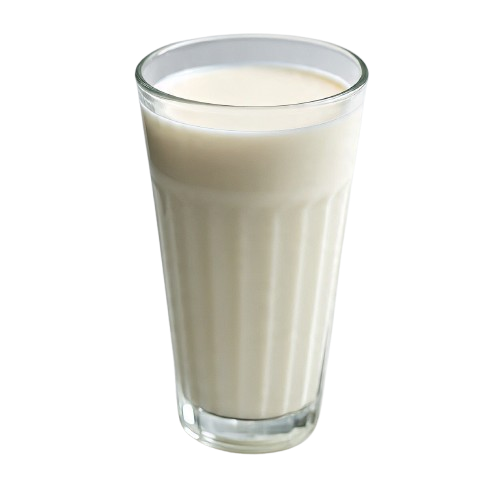
- Cow’s milk (whole, semi-skimmed, skimmed)
- Goat’s milk
- Sheep’s milk
- Lactose-free milk (still dairy unless plant-based)
- Evaporated milk
- Condensed milk
- Powdered milk (dry milk)
🍦 Cultured Dairy Products:
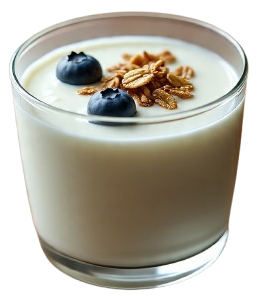
- Yoghurt (plain, Greek, flavored)
- Kefir (fermented milk drink)
- Buttermilk (traditional or cultured)
- Sour cream
- Crème fraîche
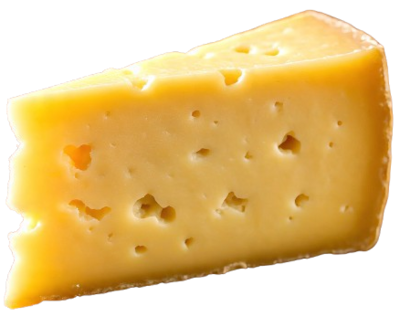
🧀 Cheese (All Types):
- Cheddar
- Mozzarella
- Swiss
- Parmesan
- Brie
- Feta
- Blue cheese (e.g., Gorgonzola, Roquefort)
- Cottage cheese
- Ricotta
- Cream cheese
🧈 Butter and Related Products:
- Butter
- Ghee (clarified butter)
- Whipped butter
🍨 Frozen Dairy Desserts:
- Ice cream (made with milk/cream)
- Gelato
- Frozen yoghurt
- Dairy-based milkshakes
🥣 Other Dairy-Based Products:
- Custard (made with milk/cream)
- Pudding (if dairy-based)
- Milk-based sauces (e.g., béchamel)
- Cheese spreads
Milk
Cheese