Milk Profile
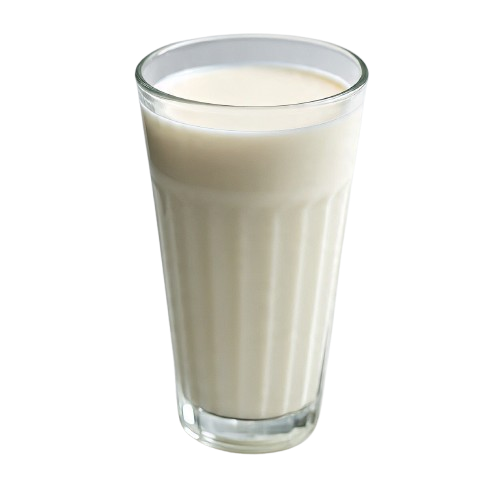
Scientific Name: Bos taurus
Common Forms: Whole milk, Skim milk, Powdered milk
Nutritional: Calcium, Vitamin D (fortified), Protein, Riboflavin
Effect: Binds to certain drugs → reduces absorption
(Antibiotics)
Interaction: ⚠️ Decreases drug absorption
Layman Explanation: Milk can make antibiotics like tetracycline less effective.
Scientific Explanation: Calcium in milk chelates with tetracyclines forming insoluble complexes → reduced absorption.
(Antibiotics)
Interaction: ⚠️ Decreases drug absorption
Layman Explanation: Milk may interfere with the absorption of these antibiotics.
Scientific Explanation: Divalent cations in milk form chelates with fluoroquinolones → decreased plasma concentration.
(Osteoporosis medications)
Interaction: ⚠️ Severely reduces absorption
Layman Explanation: Milk can make osteoporosis drugs nearly ineffective if taken together.
Scientific Explanation: Calcium reduces the already poor oral bioavailability of bisphosphonates → administer on empty stomach.
(Thyroid hormone)
Interaction: ⚠️ Decreased effectiveness
Layman Explanation: Milk may reduce how well thyroid medicine works.
Scientific Explanation: Calcium competes for intestinal absorption with levothyroxine → reduced efficacy.
- 🚫 Avoid milk 1–2 hours before/after certain medications
- 📄 Follow “empty stomach” instructions strictly
- 🥤 Safe alternatives: Water or calcium-free drinks
- 💬 Consult your pharmacist about dairy interactions
🧪 Scientific Background
Milk contains divalent cations such as calcium and magnesium which can bind to certain drug molecules in the gastrointestinal tract.
This forms insoluble chelates that prevent absorption, leading to reduced plasma drug levels and potential therapeutic failure.
Spacing out milk and medications is a clinically accepted strategy to avoid this interaction.